24 hour service 682•325•8787
Door Sticking, Kicking open, dragging or slamming? hard to lock or unlock? Spinning lock?

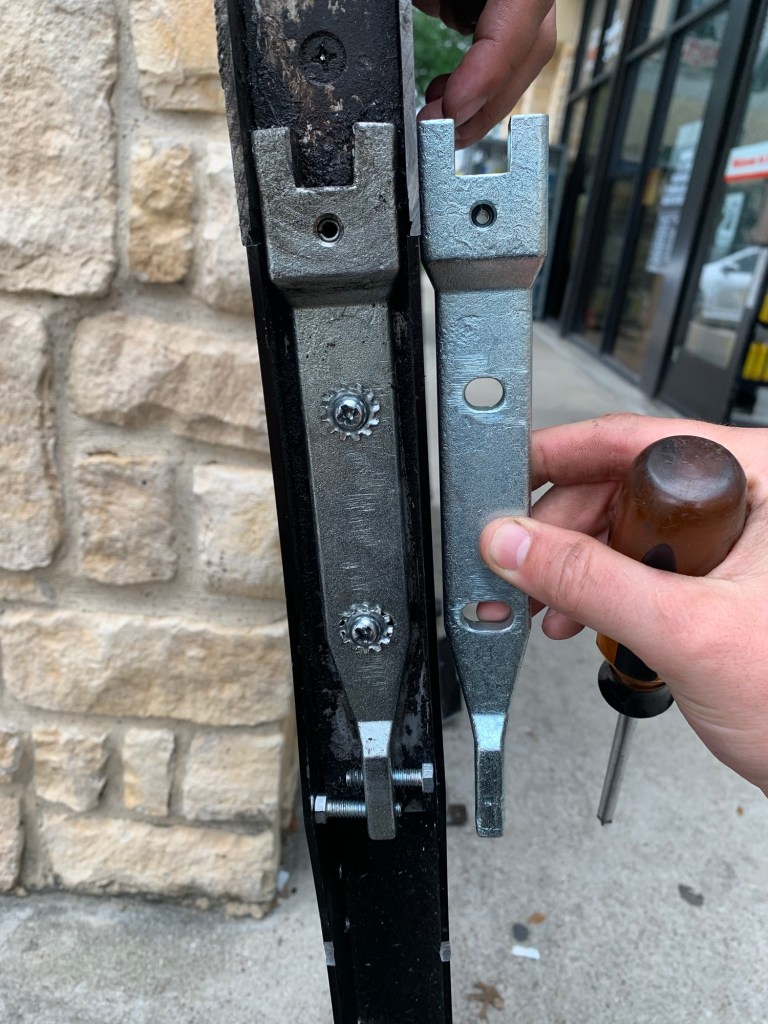
Door closer making noises or missing parts?

Mortise Locks
Mortise locks are a type of commercial lockset that offers high security and durability. Here’s a detailed overview:
Key Features
1. Embedded into the door, providing strength and stability.
2. Requires a pocket (mortise) cut into the door.
3. Typically used on exterior doors, entrance doors, and high-security areas.
4. Available in various finishes (e.g., brass, bronze, stainless steel).
Types of Mortise Locks
1. Single-cylinder (keyed on one side).
2. Double-cylinder (keyed on both sides).
3. Thumb-turn (keyed on one side, thumb-turn on the other).
Benefits
1. High-security option.
2. Difficult to pick or force open.
3. Durable and long-lasting.
4. Attractive design options.
Components
1. Lock body.
2. Cylinder.
3. Cam.
4. Lever or knob.
5. Strike plate.
Installation
1. Requires professional installation.
2. Mortise cut required in door.
3. Alignment critical for proper function.
Brands
1. Schlage.
2. Yale.
3. ASSA ABLOY.
4. Kwikset.
5. Sargent.
Mortise Lock missing or not working?

Mortise Cylinder Damage

Commercial door pivots
Commercial door pivots are essential hardware components that facilitate the smooth opening and closing of doors in commercial settings. Unlike traditional hinges, pivots allow doors to swing open in both directions and can support heavier door weights, making them ideal for high-traffic areas.
There are different types of door pivots, including:
- Bottom Pivots: Installed at the bottom of the door, these pivots provide stability and support, allowing the door to swing freely.
- Top Pivots: Located at the top of the door, these pivots help guide the door and keep it aligned while in motion.
- Center Pivots: Positioned in the middle of the door, center pivots allow for a balanced swing in both directions.
- Surface-Mounted Pivots: These are mounted on the surface of the door and frame, making installation easier, especially in renovation projects.
- Concealed Pivots: Hidden within the door and frame, these provide a clean aesthetic while maintaining functionality.
When selecting door pivots, consider factors such as the door’s weight, frequency of use, and aesthetic preferences to ensure that you choose the right type for your needs.
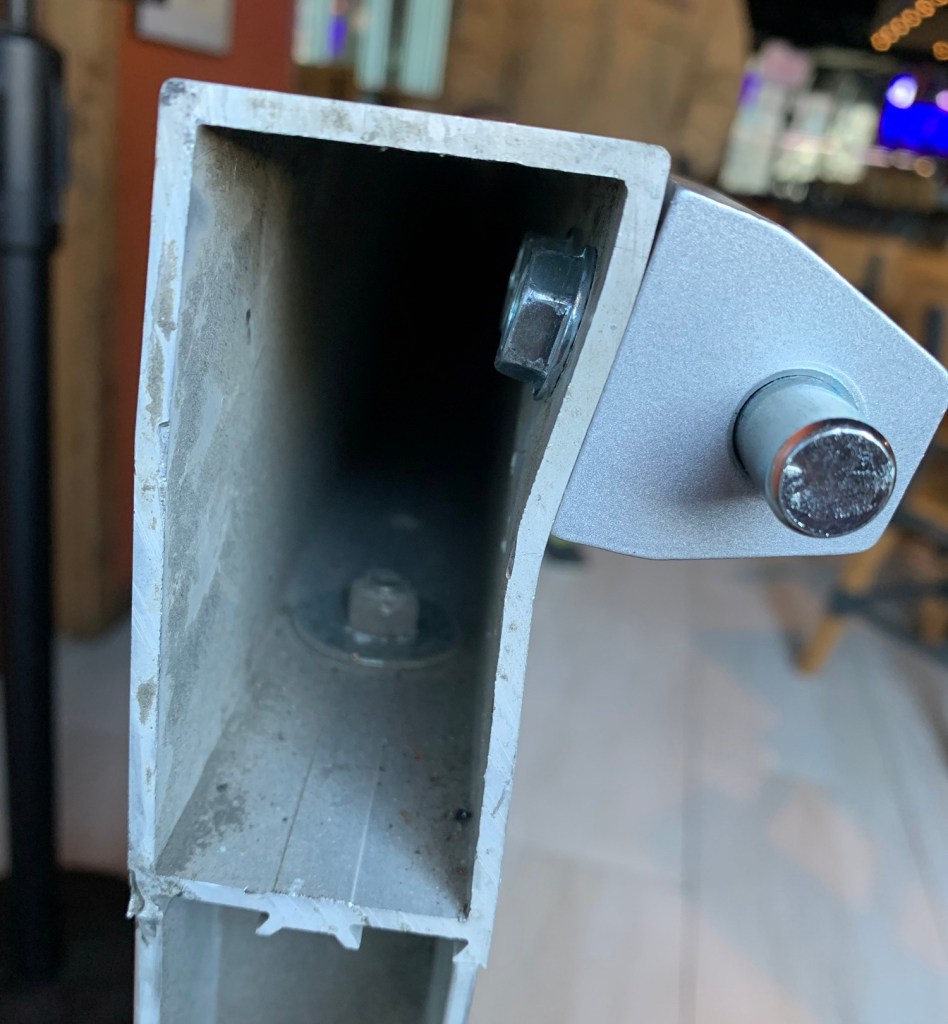
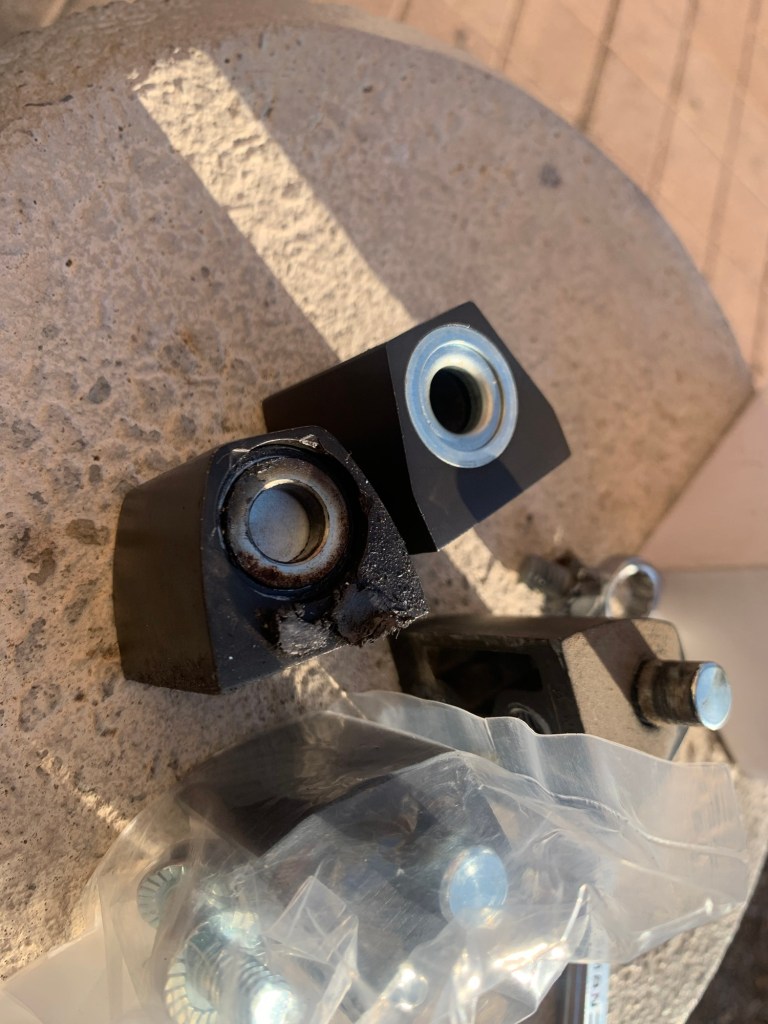
Commercial Aluminum Door Pivot, Damaged

Commercial door wind damages
Commercial doors can suffer damage due to wind for several reasons, especially in areas prone to strong winds or storms. Here are some common types of wind-related damage:
- Warping: High winds can cause door materials, particularly wood, to warp or bend, leading to difficulty in opening or closing the door.
- Dents and Dings: Strong gusts can propel debris against doors, causing dents or scratches on the surface, which can compromise the door’s appearance and finish.
- Frame Damage: Wind can exert pressure on the door frame, leading to misalignment or even breaking of the frame, which may require extensive repairs.
- Glass Breakage: For doors with glass panels, strong winds can cause the glass to shatter due to flying debris or pressure changes.
- Seal and Weatherstripping Failure: Continuous exposure to high winds can wear down seals and weatherstripping, leading to drafts and water intrusion.
- Hinge and Pivot Damage: The force of the wind can strain hinges and pivots, leading to loosening or damage. This can affect the door’s operation and security.
To mitigate wind damage, consider the following preventive measures:
- Reinforce Doors: Use wind-resistant commercial doors designed to withstand high winds and severe weather.
- Regular Maintenance: Inspect doors and their components regularly to identify wear and tear early.
- Install Windbreaks: Landscaping features or structures can help shield doors from direct wind impact.
- Secure Loose Items: Ensure that any items outside that could be blown against the door are secured or removed during severe weather.
Addressing any damage promptly can help maintain the integrity and security of commercial doors.
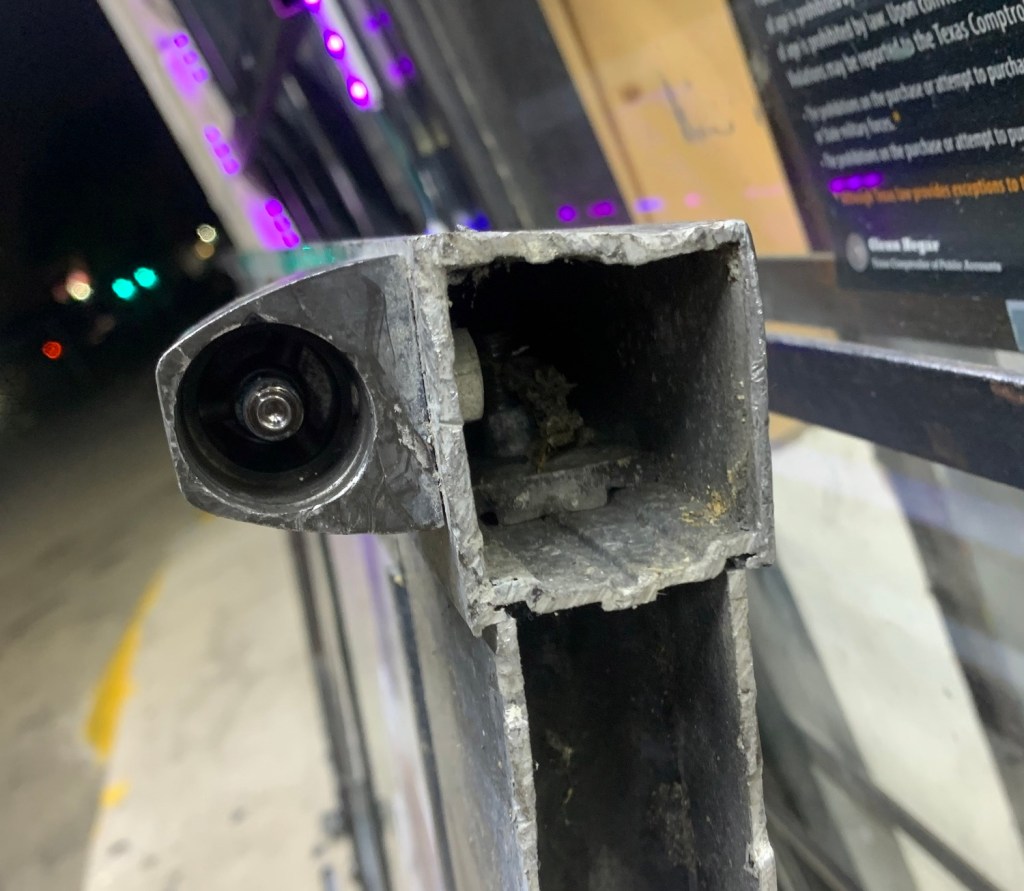
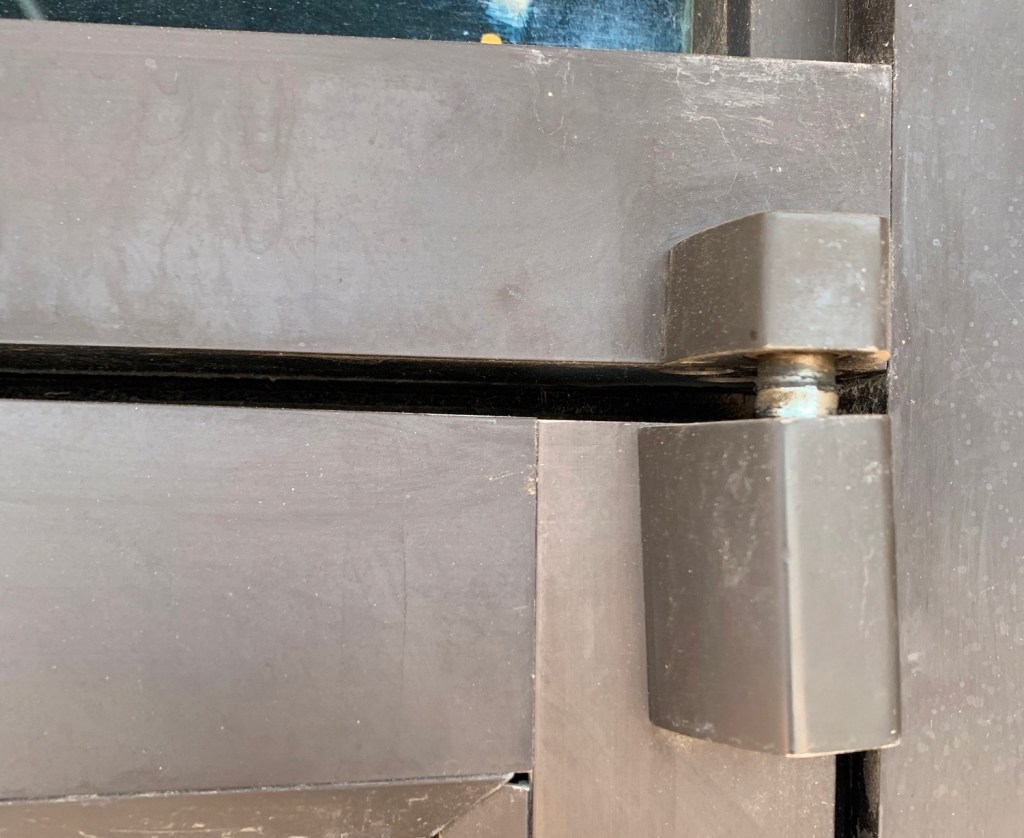
Gap in commercial storefront door
Door sagging is a common issue that occurs when a door becomes misaligned, causing it to hang unevenly and leading to difficulties in opening or closing. This problem can affect both interior and exterior doors and can be caused by various factors. Here’s a closer look at the causes, effects, and solutions for door sagging:
Causes of Door Sagging
- Hinge Issues: Worn or damaged hinges can lead to sagging. If the screws in the hinges are loose or if the hinges themselves are bent, the door may not hang properly.
- Weight of the Door: Heavy doors, particularly those made of solid wood or metal, can put additional stress on the hinges over time, causing them to sag.
- Improper Installation: If a door is not installed correctly, it may lead to misalignment. This can happen if the door frame is not level or if the hinges are not positioned properly.
- Humidity and Temperature Changes: Wood doors can expand and contract due to changes in humidity and temperature, which may lead to warping and sagging.
- Frame Settling: Over time, the building structure may settle, causing the door frame to shift. This can lead to misalignment and sagging doors.
- Wear and Tear: Regular use can lead to wear on the hinges and the door itself, contributing to sagging over time.
Effects of Door Sagging
- Difficulty in Operation: A sagging door can become hard to open or close, creating frustration for users and potentially leading to damage.
- Increased Wear on Hardware: Sagging puts additional stress on the hinges and other hardware, leading to faster wear and the need for replacements.
- Security Risks: Misaligned doors may not close or lock properly, creating security vulnerabilities.
- Aesthetic Concerns: A sagging door can look unappealing, detracting from the overall appearance of a space.
Solutions to Fix Door Sagging
- Tighten or Replace Hinges: Check the screws in the hinges and tighten them if they are loose. If the hinges are worn or damaged, consider replacing them with new ones.
- Adjust the Hinges: Sometimes, adjusting the position of the hinges can help realign the door. This may involve moving the hinges slightly up or down.
- Add a Shim: If the door is sagging due to uneven floors or frames, adding a shim (a thin piece of material) behind the hinge can help lift the door back into alignment.
- Plane the Door: If the door is sticking due to sagging, you might need to plane down the edge that is rubbing against the frame. This should be done carefully to maintain the door’s aesthetics.
- Check the Frame: Inspect the door frame for any signs of damage or settling. If the frame itself is misaligned, it may need to be repaired or adjusted.
- Humidity Control: For wood doors, maintaining consistent humidity levels can help prevent warping. Using dehumidifiers or humidifiers as needed can be beneficial.
- Professional Help: If the problem persists, consider consulting a professional carpenter or handyman who can assess and address the issue effectively.
By identifying the cause of the sagging and taking appropriate corrective actions, you can restore the functionality and appearance of the door, ensuring it operates smoothly and securely.


Framing & Doors
Warping is a common issue that affects many types of doors, including commercial storefront doors. There are a few key reasons why doors can become warped over time:
- Exposure to the Elements:
Storefront doors are constantly exposed to the outdoor environment, which subjects them to fluctuations in temperature, humidity, and sunlight. These environmental factors can cause the door materials, such as wood or metal, to expand, contract, and deform over time. - Improper Installation:
If a door is not installed properly, with the frame properly squared and secured, it can lead to warping and misalignment over time as the door becomes stressed. - Material Quality:
Lower quality or improperly treated door materials are more susceptible to warping, especially in extreme weather conditions. - Damage and Wear:
Physical impacts, excessive use, and general wear and tear can all contribute to a door becoming warped and misshapen over its lifespan.
The warping process typically starts gradually, with the door slowly bowing or twisting out of its original flat plane. As the warping becomes more severe, it can cause the door to rub against the frame, making it difficult to open and close properly. Warping can also compromise the door’s structural integrity and security.
Addressing warping issues early through adjustments, repairs, or replacement is important to maintain the functionality and appearance of commercial storefront doors. Proper installation, high-quality materials, and regular maintenance can all help prevent warping in the first place.
Lock Failure
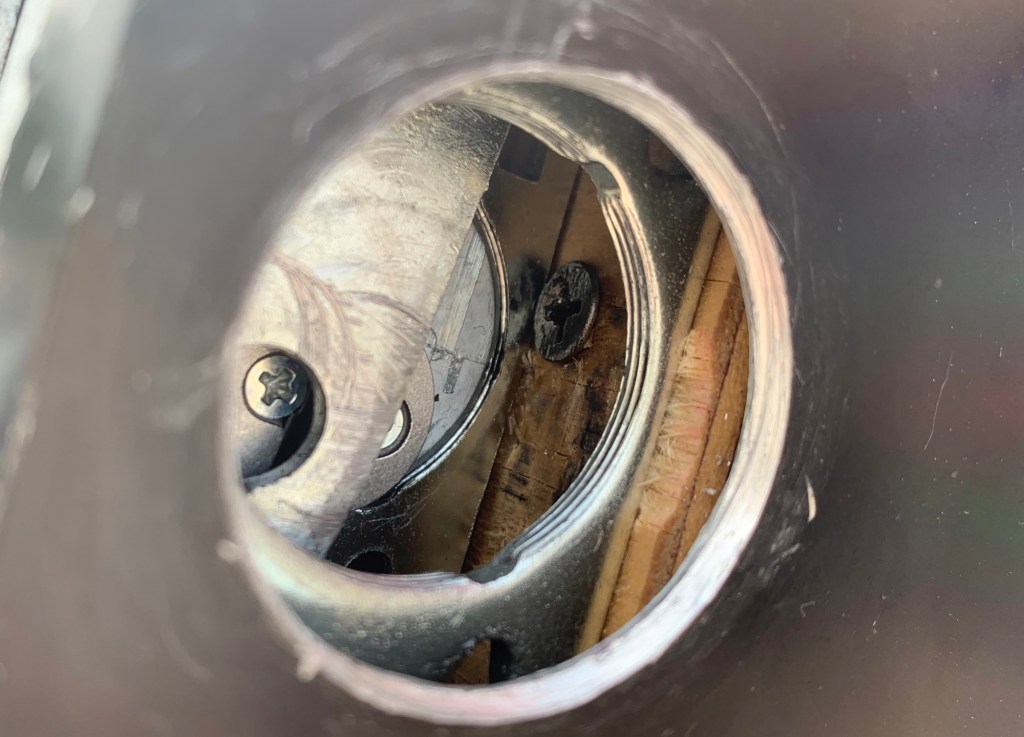
Locks are critical components that secure commercial storefront and residential doors, but they can fail in a variety of ways over time. Some of the common modes of lock failure include:
- Mechanical Wear and Tear:
The internal mechanisms of a lock, such as the tumblers, springs, and pins, can become worn down and misaligned through repeated use. This gradual wear can cause the lock to become increasingly difficult to operate, and eventually, the lock may seize up or fail to engage properly. - Corrosion and Environmental Damage:
Unfortunately exposure to moisture, salt air, or other environmental factors can cause the metal components of a lock to corrode and degrade over time. This can lead to the lock becoming stuck, difficult to turn, or even breaking apart entirely (hate when that happens) - Forced Entry Damage:
Attempted break-ins or burglaries can cause significant damage to a lock, such as the lock cylinder being forcibly removed, the bolt being pried open, or the entire lock mechanism being destroyed. - Improper Installation or Maintenance:
If a lock is not installed correctly or has not been properly maintained, it can lead to premature failure. This could include issues like the lock being misaligned with the strike plate, the screws becoming loose, or the lock not being properly lubricated. - Electronic Malfunctions:
In the case of electronic or smart locks, the failure can stem from issues with the power supply, circuit boards, software glitches, or other electronic components.
When a lock fails, it can manifest in several ways, such as the key no longer turning, the lock becoming stuck in the open or closed position, or the lock completely disengaging from the door. This can compromise the security of the storefront and leave the business vulnerable to unauthorized entry.
Addressing lock failures promptly through repair or replacement is crucial to maintain the integrity and safety of commercial storefront doors. Proper installation, regular maintenance, and the use of high-quality, durable lock hardware can help prevent many common lock failure scenarios.
 classic glass & mirror